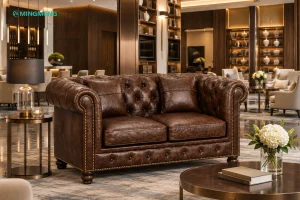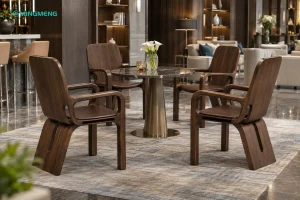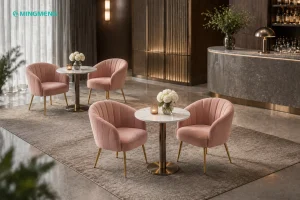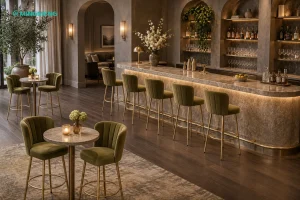
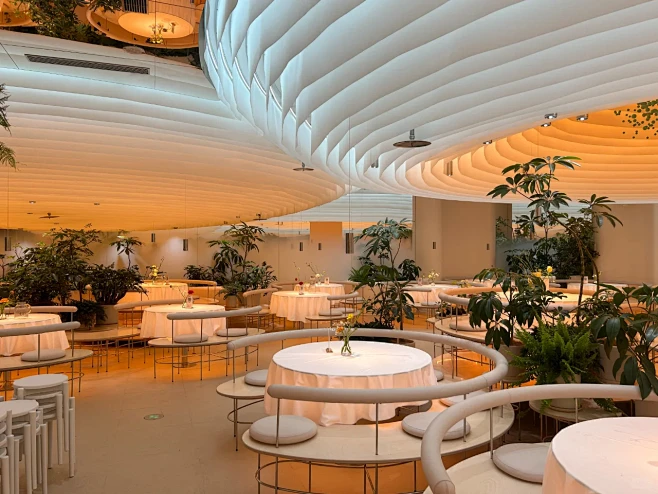
In the fast-paced daily operations of hotel ballrooms, multi-purpose event spaces, and high-end restaurants, rapid turnover and venue flexibility are crucial tests of back-of-house efficiency. Right after a banquet with hundreds of guests wraps up, operational teams need to clear the floor in record time to set up for a morning conference.
During this transition, handling, transporting, and high-density stacking of large quantities of stackable hotel dining chairs can easily lead to logistical bottlenecks and severe surface wear. Finding a way to maximize storage capacity within limited back-of-house space—while keeping frame finishes looking brand new—is a core priority for facility managers and procurement directors.
1. Commercial Space Dilemmas: The Tug-of-War Between Storage Density and Frame Protection
High-Frequency Transitions and Space Constraints
- The Necessity of Vertical Stacking Density: Back-of-house storage typically accounts for only 3% to 5% of a venue’s total floor area. If your hotel dining chairs lack sufficient vertical stacking capacity, valuable revenue-generating space gets taken up by idle furniture.
- Congested Motion Lines and Higher Labor Costs: Low stacking limits force staff to make more trips back and forth, dragging out setup times and driving up operational labor costs.
Invisible Wear and Tear on Traditional Stacking Chairs
- Hard-on-Hard Friction: Traditional metal or wooden banquet dining chairs often lack protective cushioning between frames and backrests when stacked. This causes direct, point-to-point friction during handling.
- Rising Maintenance Costs: Paint chipping, surface scratches, and impact marks quickly degrade the premium aesthetic of a venue, forcing management to spend heavily on refinishing and repairs.
2. Structural Innovations in Stackable Hotel Chair Engineering
Contract-grade hotel dining chairs are built with clever mechanical and geometric designs that ensure stability and surface protection during high-frequency use:
- Golden Stacking Clearance: Precision-engineered gaps of 15–20 mm between the seat bottom, backrest, and upper chair legs prevent upholstery compression and keep metal surfaces from touching.
- Self-Locking Alignment and Anti-Slip Guide Tracks: Specially designed grooves along the inner legs and base enable seamless alignment and automatic locking when stacked, eliminating lateral shifting and shear friction during transport.
- Even Vertical Load Distribution: Optimized frame curves evenly transfer the weight of stacked chairs straight down to the floor, preventing structural deformation on the bottom chair.
3. Surface Protection and Coating Technologies
Long-term durability comes down to superior base materials and advanced surface finishes:
- High-Adhesion Electrostatic Powder Coating: Thermosetting resin powder creates a dense, cross-linked protective layer on metal surfaces. Its scratch and impact resistance far outmatch traditional liquid paint, standing up to the friction of daily stacking.
- Protective Stacking Bumpers: High-density nylon or non-marking rubber pads are embedded at key contact points under the seat and along the legs. This achieves a true “metal-to-metal-free” design that cushions impacts under heavy loads.
- Smooth R-Angle Edges and Seamless Welds: All weld points and outer edges are polished smooth with rounded corners, removing sharp stress points that could scratch neighboring chair finishes.
4. Performance Comparison Across Different Chair Options
| Evaluation Metric | Traditional Lightweight Iron Chairs | Standard Wooden Restaurant Chairs | MINGMENG Contract-Grade Stackable Hotel Chairs |
|---|---|---|---|
| Load Capacity & Stability | Frequent movement easily leads to loose welds and wobbling | Moisture can warp frames; joints tend to loosen over time | Heavy-duty reinforced metal frame handles high-impact commercial use with ease |
| Scratch & Wear Resistance | Low resistance; standard paint flakes off easily on contact | Prone to dents and scratches; expensive to refinish | Hardened powder coating delivers outstanding scratch and wear resistance |
| Safe Stacking Height | 4 – 6 chairs (taller stacks become unstable and tip easily) | Not recommended, or limited to 3 chairs max | 8 – 12 chairs (secured with alignment grooves and protective bumpers) |
| Storage Optimization | Moderate; lacks protective padding against impacts | Extremely low; consumes excessive storage space | Maximum efficiency; saves up to 70% storage space with zero finish damage |
5. Practical Solutions and Back-of-House SOPs
Streamlined Logistics in Grand Ballrooms
- Dedicated Trolley Transport: Using custom lever trolleys built for chair frames allows staff to move stacks of 8 to 12 hotel dining chairs in one smooth motion, reducing manual labor and avoiding drag on the floor.
Balancing Aesthetics in Fine Dining Spaces
- Concealed Protection: Protective bumpers and alignment tracks are hidden out of sight under the seat frame. This maintains sleek metallic, matte black, or brushed gold finishes while meeting heavy-duty durability standards.
Standardized Operating Guidelines (SOPs)
- Vertical Lifting: Staff should always lift and stack chairs straight up and down rather than dragging them sideways.
- Routine Inspections: Set up quarterly checks to inspect rubber bumpers and replace any worn pads promptly.
- Matched Equipment: Avoid loose transport on flatbed carts; always use purpose-built chair trolleys designed for the frame.
6. Frequently Asked Questions (FAQs)
- Q1: How high can hotel dining chairs be safely stacked without damaging the finish?
- Answer: High-quality commercial stacking chairs can typically be stacked 8 to 12 chairs high. The key lies in whether the frame features built-in protective bumpers and proper center-of-gravity engineering. Exceeding recommended limits risks structural strain on the bottom chair and surface scratching.
- Q2: Why do premium venues prefer powder coating over traditional liquid paint?
- Answer: Electrostatic powder coating cures at high temperatures to form a tight molecular bond. Its resistance to impacts, scratches, and everyday wear is far superior to standard paint, making it ideal for the demands of high-frequency setup changes.
Partnering with MINGMENG
Finding the right balance between space efficiency, long-term durability, and elegant design shouldn’t be a hassle. At MINGMENG, we specialize in crafting contract-grade hotel dining chairs and commercial seating solutions tailored to the needs of modern venues. Whether you’re upgrading an existing ballroom or outfitting a new restaurant, our team is always here to share expert advice and help you design a space that works as hard as you do. Feel free to reach out to the MINGMENG team anytime to start the conversation!