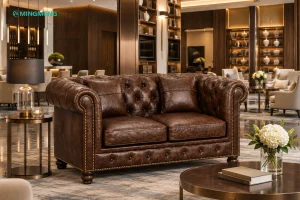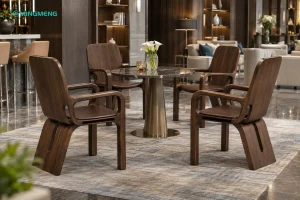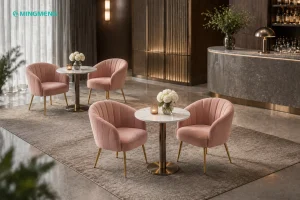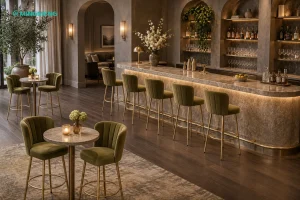
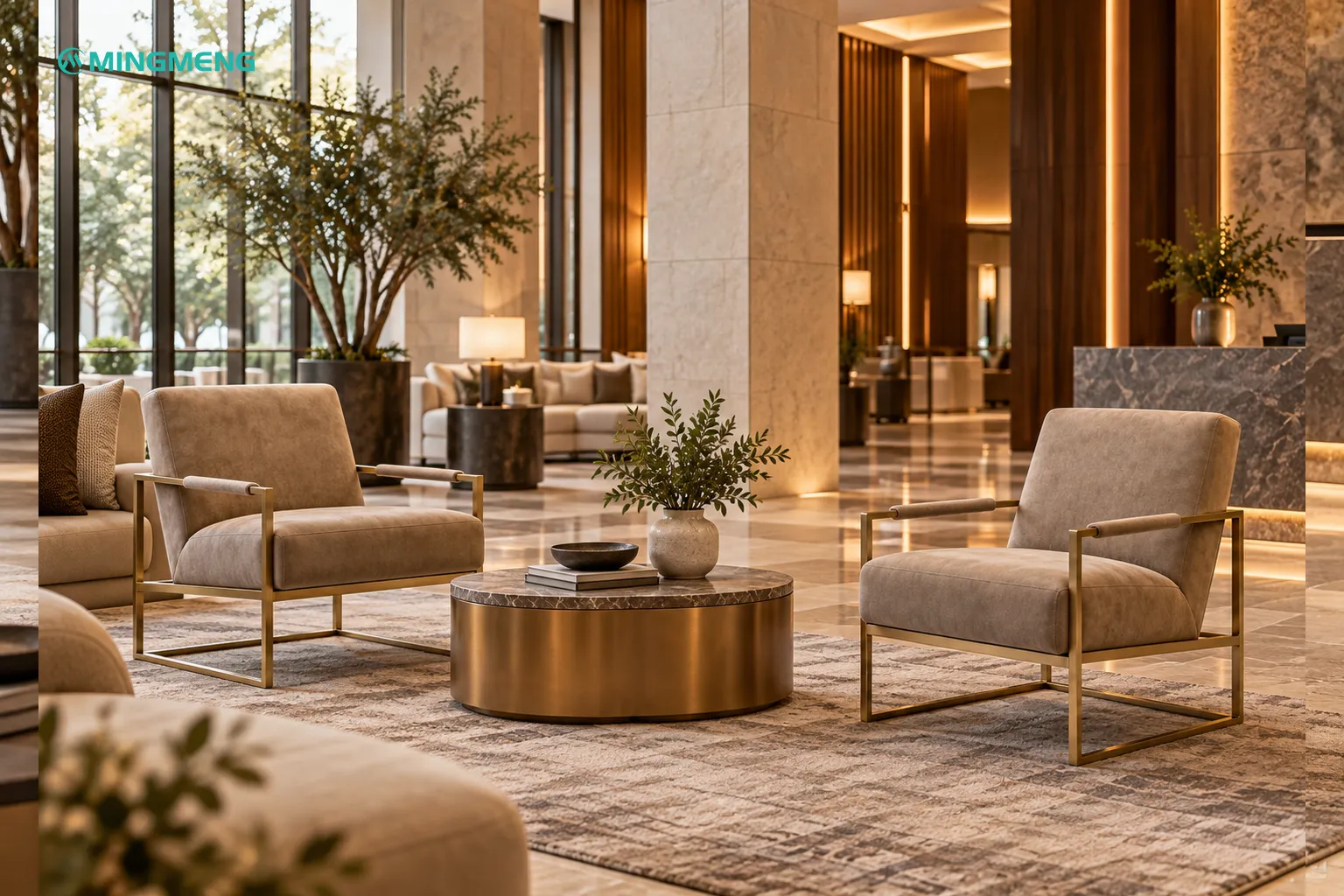
When a hotel first opens its doors, the model rooms look immaculate, radiating high-end luxury in every corner. Yet, fast forward just two and a half years, and you are likely to find scratched tabletops, peeling edges, sagging cabinet doors, and yellowing leather. This not only ruins the guest experience but also drags the hotel into a cycle of frequent maintenance and premature renovations.
As a specialized hotel furniture manufacturer, we know the hard truth behind this phenomenon: furniture looking “worn out” prematurely is rarely the guest’s fault. Instead, it traces back to cost-cutting shortcuts taken during the initial procurement phase—specifically in substrates, surface finishes, and edge banding. Today, we break down the insider secrets of hotel room furniture material selection to help investors and project leads avoid hidden engineering pitfalls.
1. Substrate Substitution: The Hidden Corrosion of Moisture and Disinfectants
The Industry Reality
Daily housekeeping involves constant mopping, wiping, and the frequent use of chlorine-based disinfectants. To cut initial costs, many budget-driven projects opt for low-grade particle boards. These substrates have high porosity and high water-expansion rates. Once moisture or cleaning fluids seep through micro-gaps, the edges swell, warp, and cause the overall structure to loosen.
The Solution & Engineering Standard
Utilizing E0-grade hotel furniture substrates is the foundation of long-lasting durability. For humid or high-frequency cleaning areas, prioritize moisture-resistant high-density boards or premium multi-layer solid wood plywood. They offer exceptional resistance to warping and effectively seal out internal moisture, extending the product lifecycle right from the core.
2. Surface Finishes: Prioritizing Looks Over Wear Resistance
The Industry Reality
Guest room furniture is subjected daily to luggage impacts, hot tea mugs, and sharp keys. If procurement decisions are made based purely on catalog aesthetics—choosing ordinary melamine paper with a low wear-rev count—the tabletops and luggage racks will look battered within six months, severely dragging down the hotel’s brand image.
The Solution
The key to creating scratch-resistant hotel furniture lies in advanced surface finishing. High-traffic areas must utilize high-impact, scratch-resistant specialty finishes, high-pressure compact laminates (HPL), or imported technical wood veneers. They easily withstand daily physical wear, UV exposure, and heat, ensuring the furniture maintains its pristine appearance for years.
3. The Edge Banding Trap: The Adhesive Curse of Traditional Hot Melt
The Industry Reality
Many assume that choosing the right board solves all problems, overlooking edge banding. Traditional EVA hot-melt edge banding degrades in environments with fluctuating temperatures and humidity, eventually peeling, turning black, and trapping dirt in the seams—becoming a breeding ground for bacteria and looking cheap.
The Solution
Modern high-end hotel engineering projects are rapidly adopting laser edgebanding technology. By using high-energy laser beams to melt the functional layer of the edge band, it achieves a seamless fusion with the board, completely eliminating black glue lines. This provides superior aesthetics alongside 100% moisture-proof performance.
4. Hardware Hidden Costs: The Quality Watershed of Tens of Thousands of Openings
The Industry Reality
Wardrobe doors that won’t shut properly, sticky drawer slides, and rusted hinges are all symptoms of subpar hardware. Guest room drawers and wardrobe doors are operated thousands of times. Inferior iron hinges will sag and rattle within six months, sparking guest complaints and high maintenance costs.
The Solution
Never compromise on hardware selection. Specifying international tier-one brands or high-specification hydraulic damping hardware guarantees performance through tens of thousands of open-close cycles. The smooth soft-close mechanism not only enhances the luxurious feel of the room but also eliminates heavy future replacement costs.
5. Coating and Finish Aging: Bidding Farewell to UV Yellowing and Gloss Loss
The Industry Reality
Guest rooms are continuously exposed to sunlight through windows and high heat from interior spotlights. Inferior paints inevitably yellow, lose their gloss, or even crack within two years under intense light. This is the core reason behind why hotel engineering furniture ages within three years.
The Solution
Advanced UV-cured paints or water-based open finishes are essential. These eco-friendly coatings offer high yellowing resistance and full film build, effectively blocking UV erosion and preserving the natural, translucent texture of the wood grain over time.
The lifecycle of hotel furniture dictates your return on investment. Choosing a manufacturing partner with an uncompromising commitment to quality ensures that every dollar spent translates into visible, long-term value. If you are currently developing a hotel or seeking top-tier custom manufacturing solutions, reach out to us today. Ming Meng Furniture is ready to elevate your project with engineering excellence designed to stand the test of time.